Press kit — 2026WAV
Audio-reactive artworks
ronde.paris/wav
2026
00The Wave

The Wave

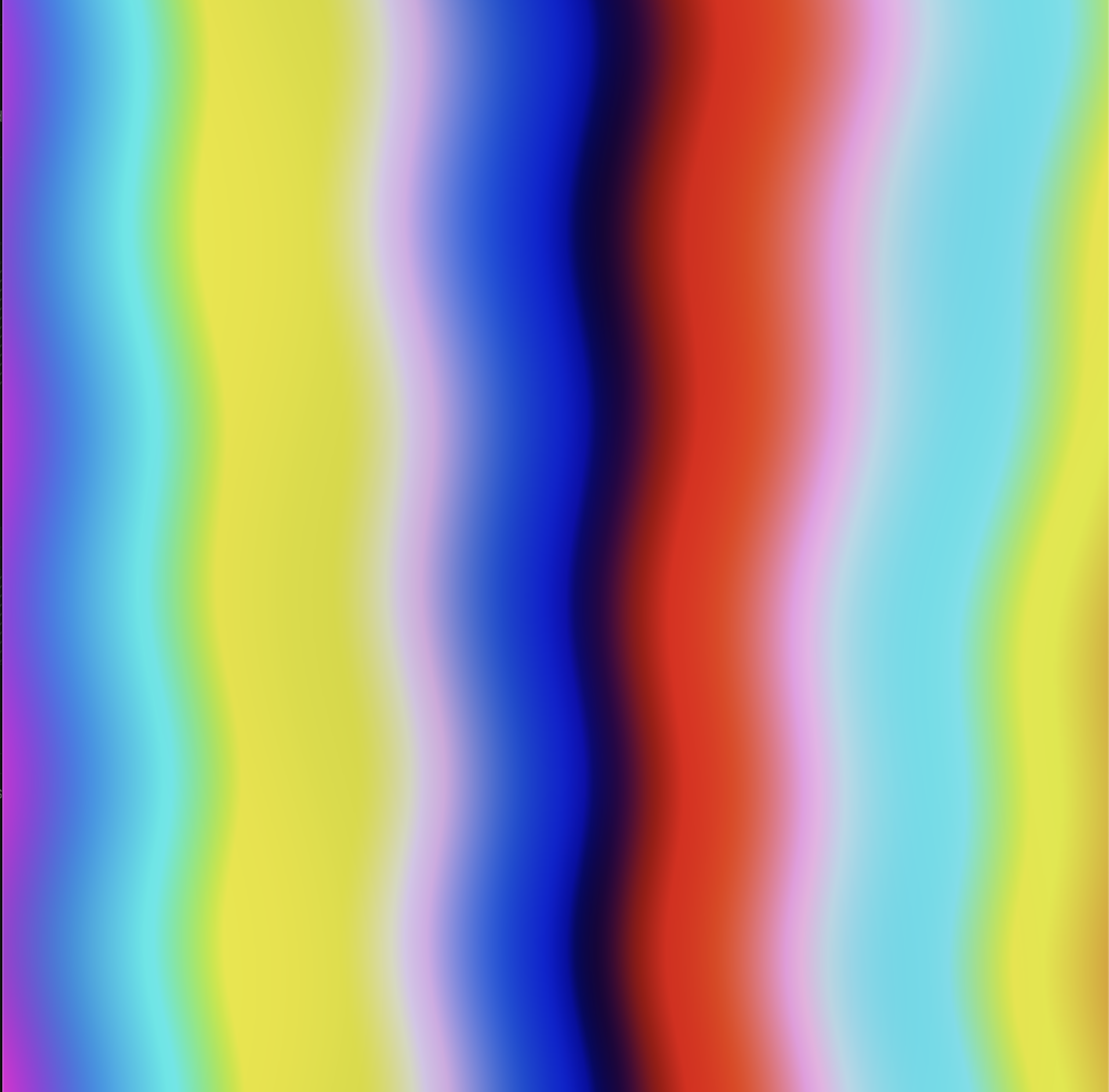
WAV is a series of audio-reactive artworks. Each piece exists in the relationship it holds with its environment — it responds, oscillates, transforms to the sound of what surrounds it. WAV is not a fixed object: it is the instant of contact.

In our world, sound has always been a vector of collective call. From bells to sirens, the collective has always gathered around the wave, like a shared swell. Here, visual matter oscillates to the rhythm of passing sounds, reminding us of our liquidity.

La Fréquence — WAV
01The Frequency — Artwork
LA FRÉQUENCE

Colour as the imprint of the invisible. Form as the memory of vibration.

WAV 6 · WAV 7 · WAV 8 — Series of audio-reactive artworks
01The Frequency — WAV Series

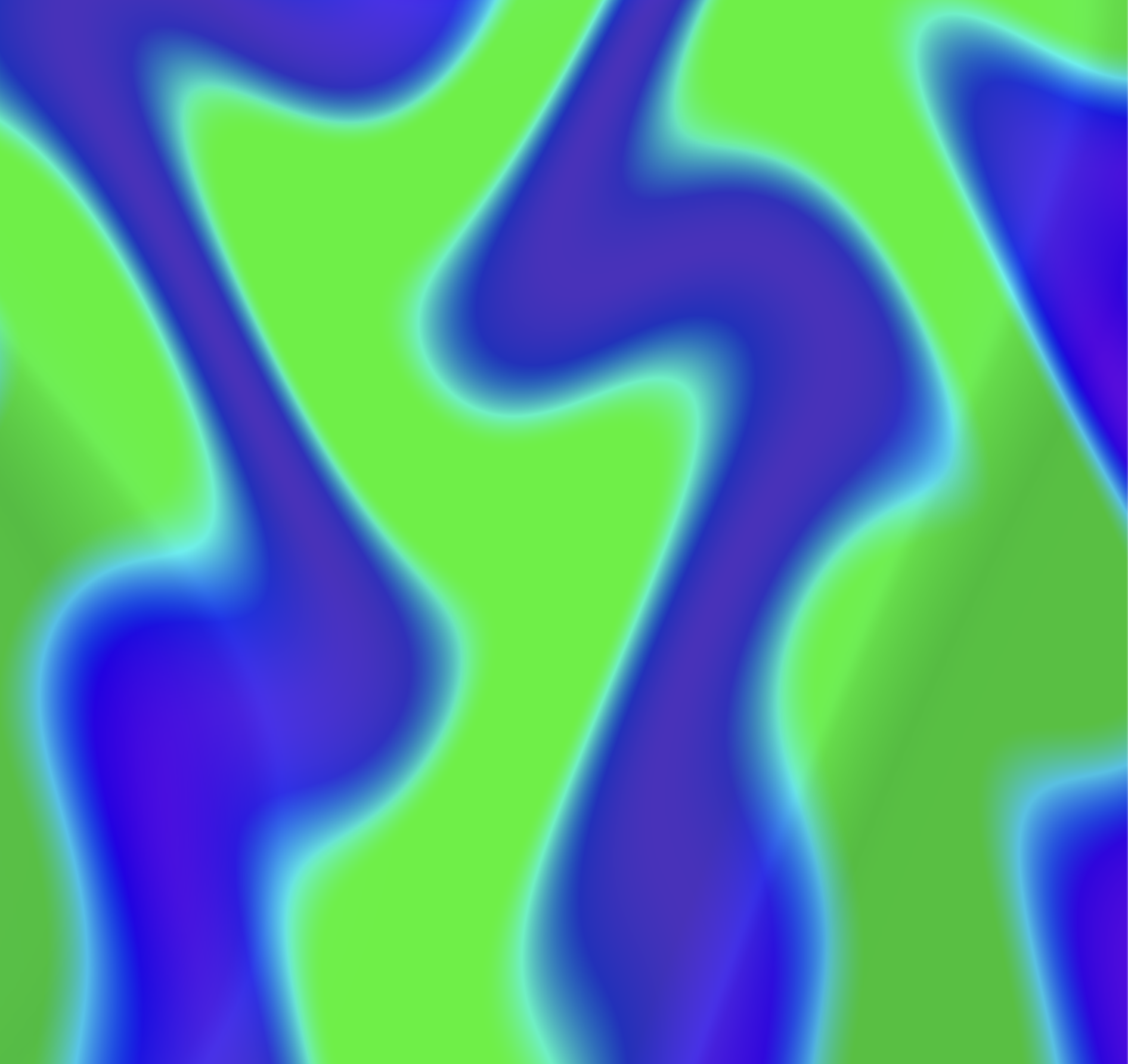
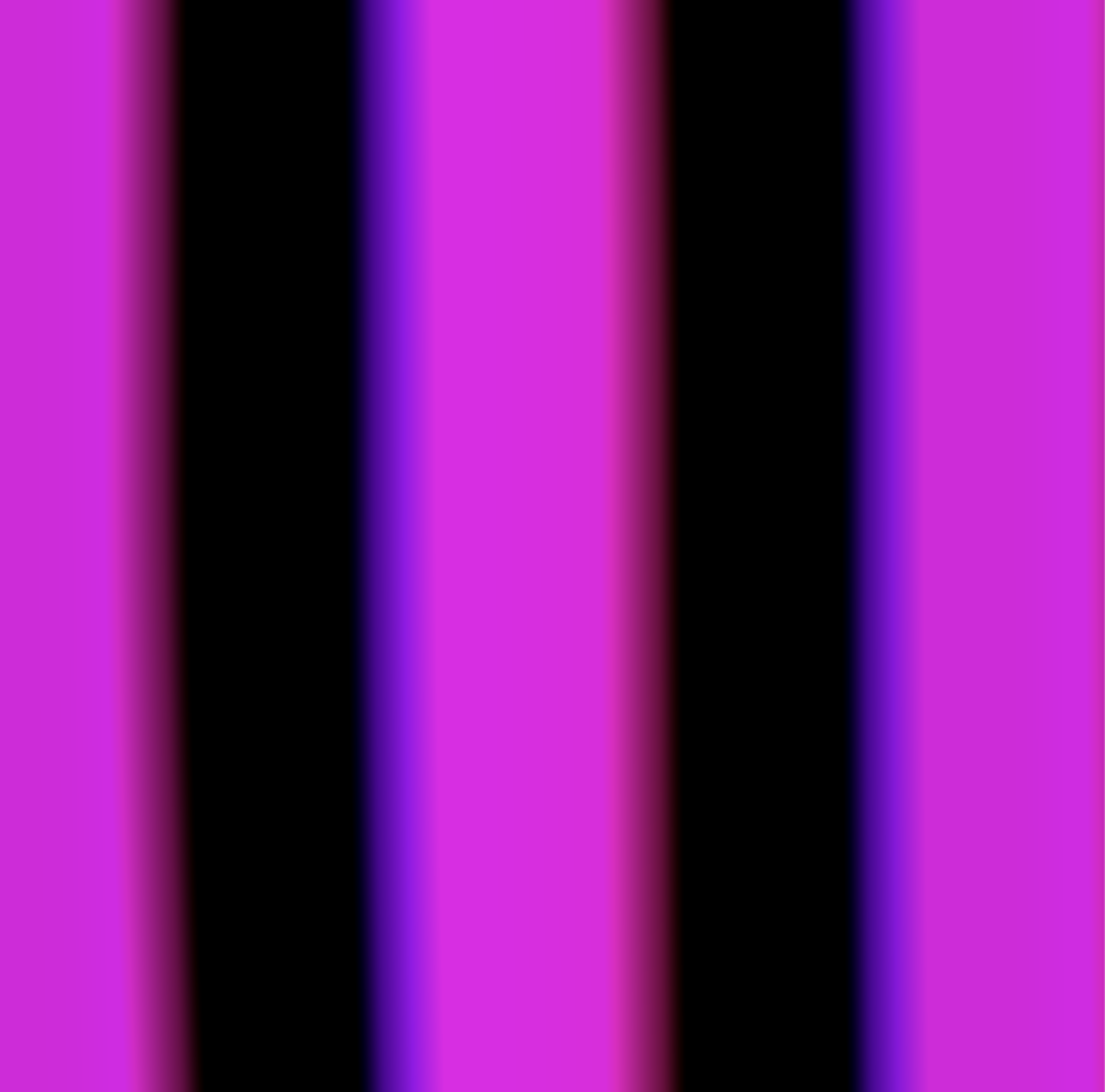
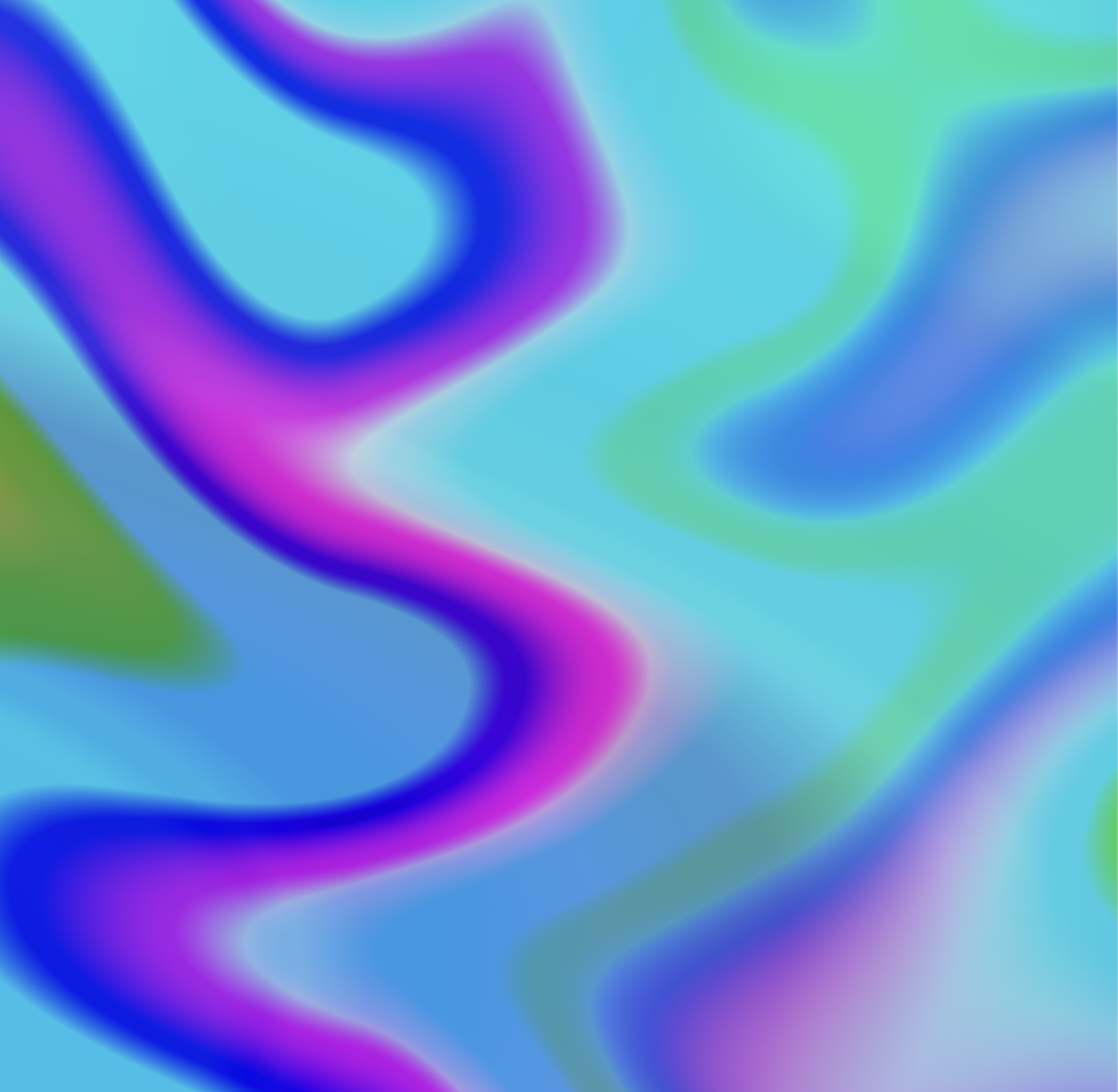
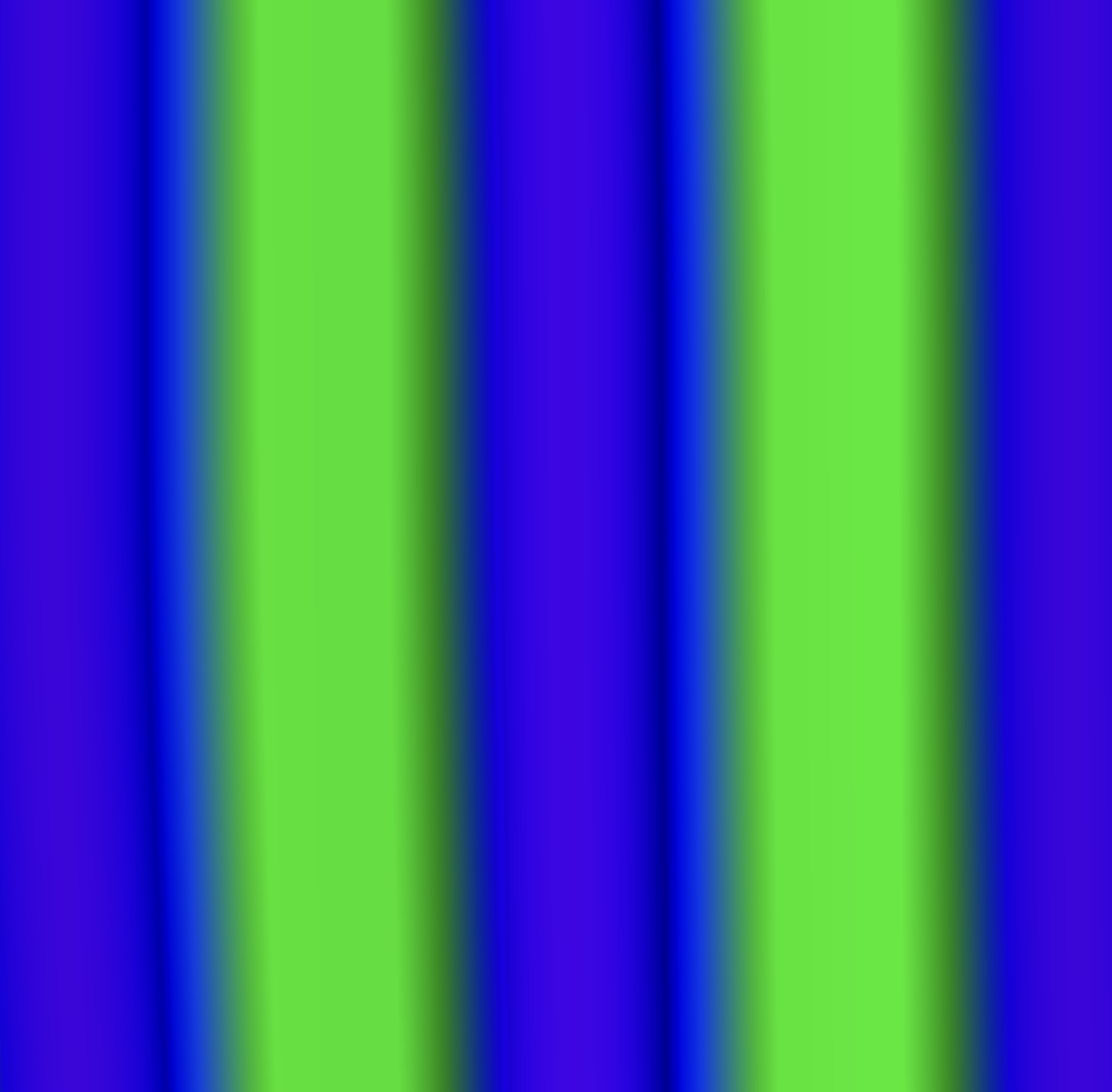
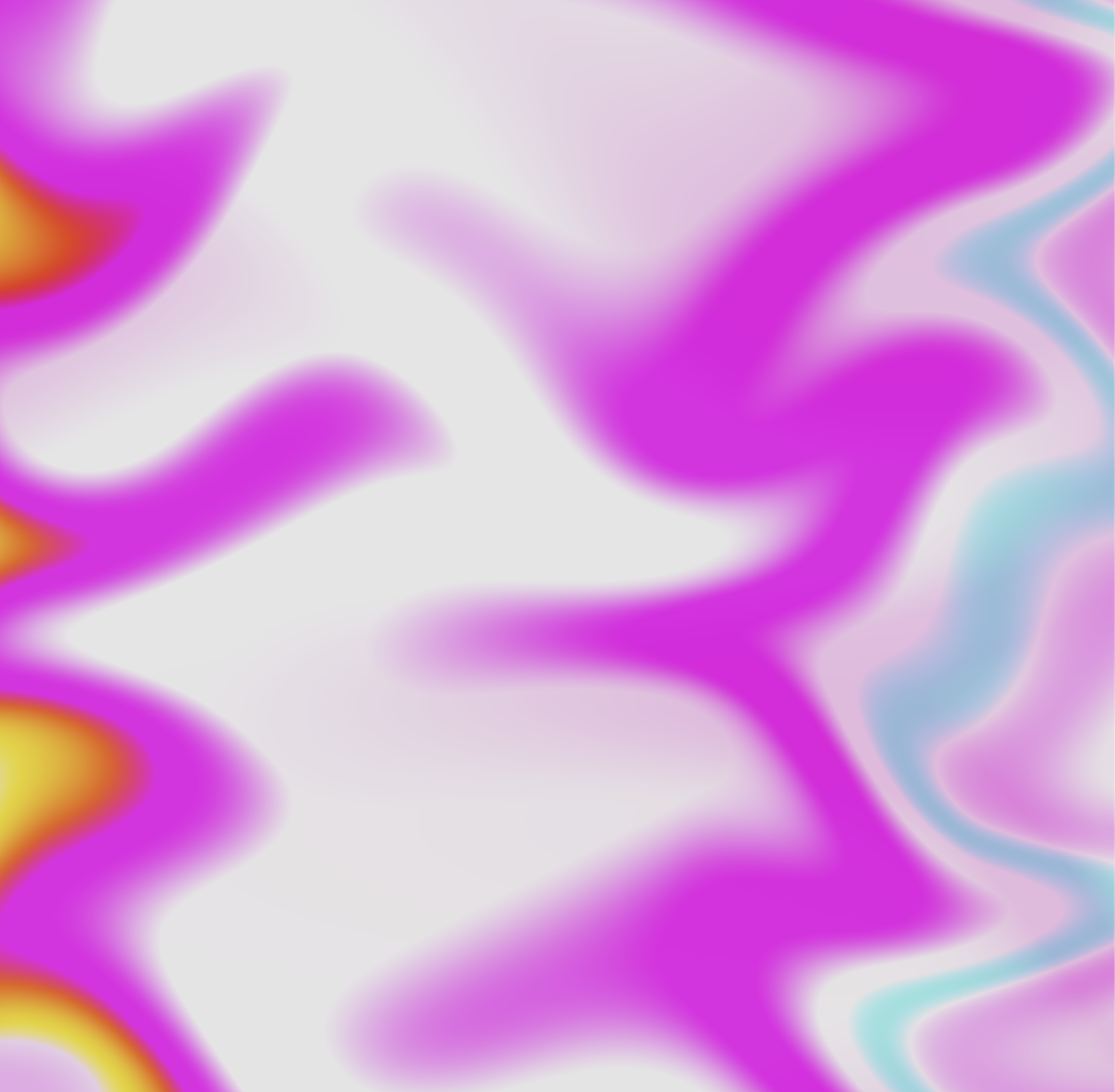
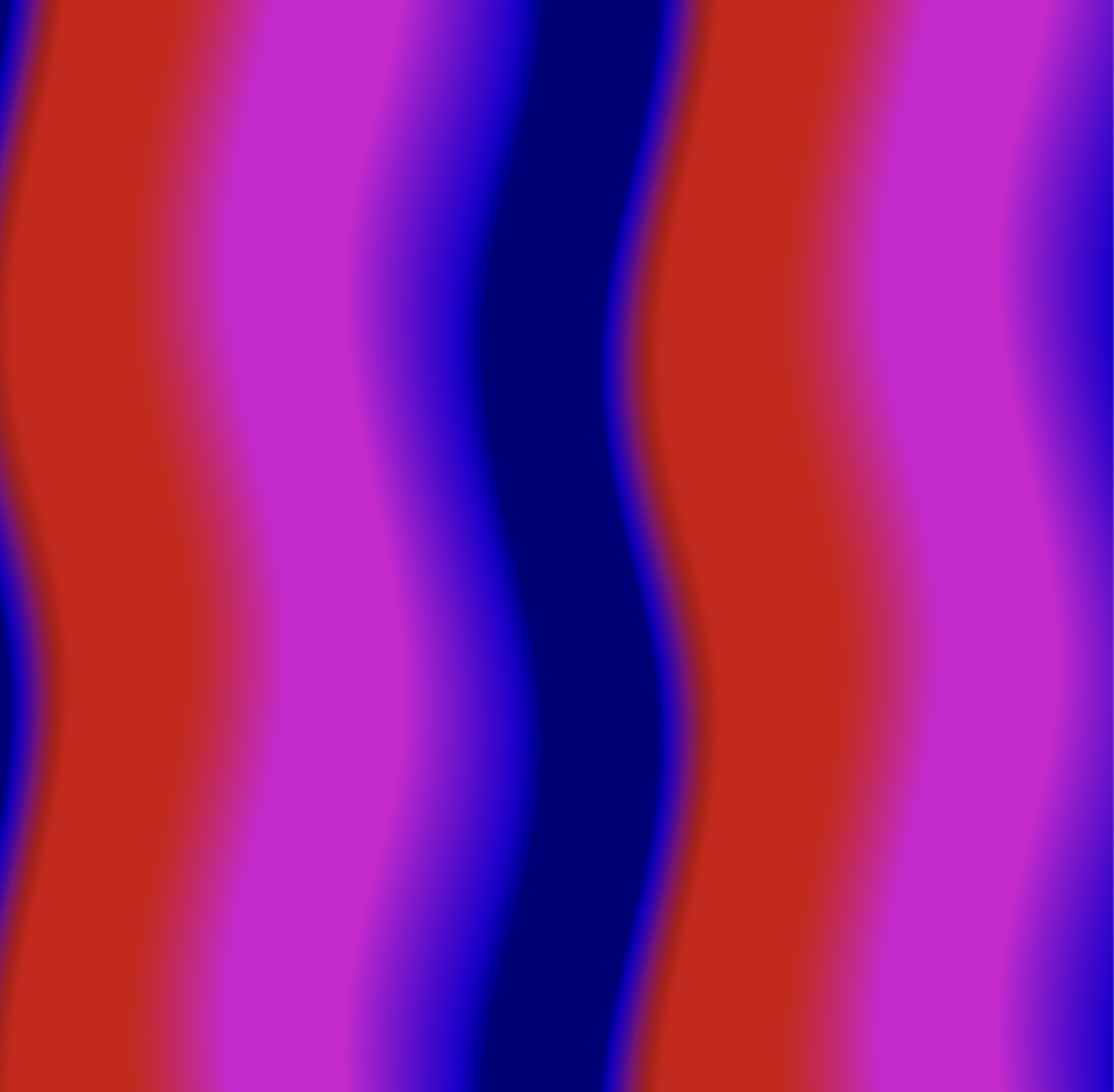
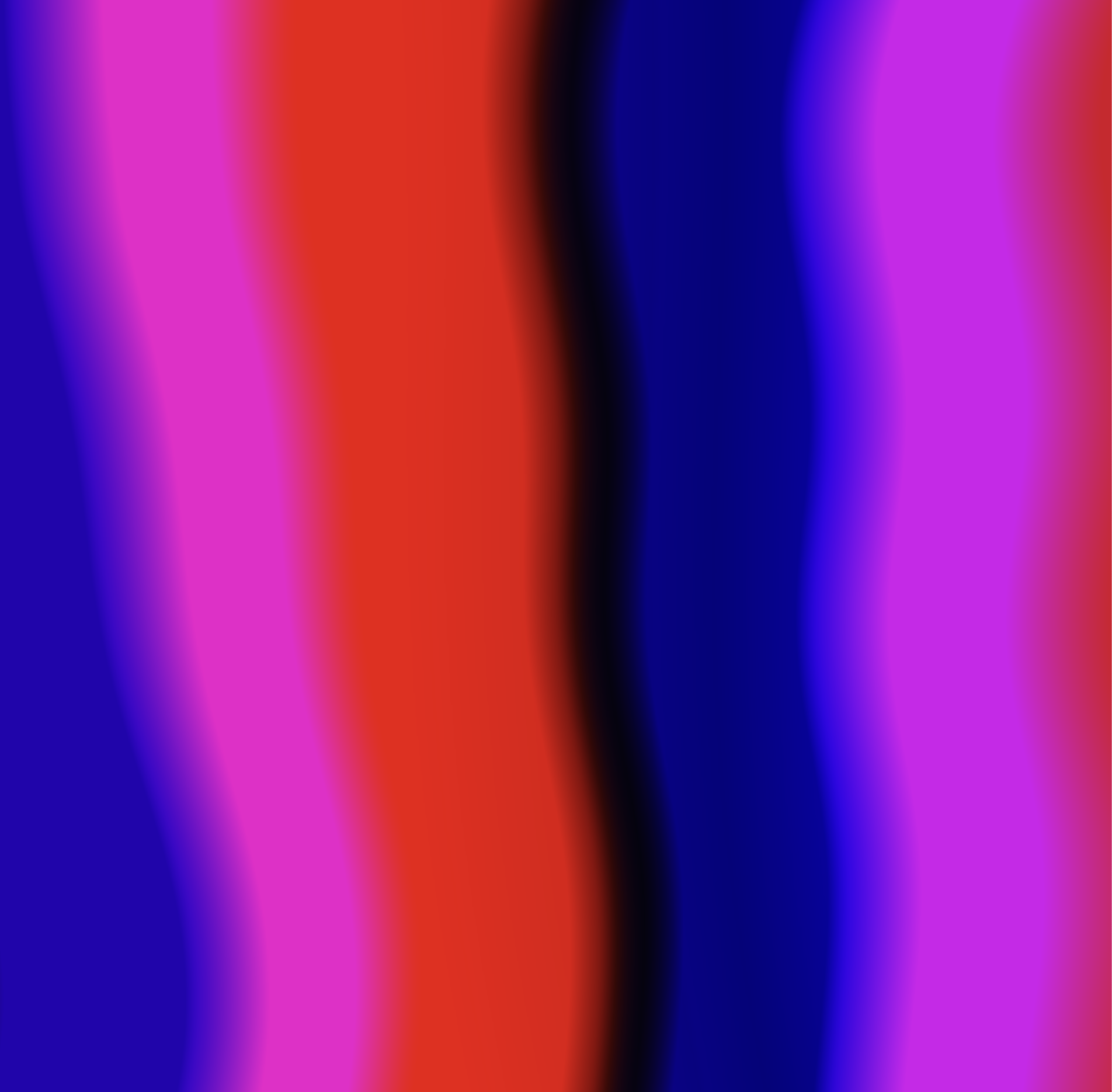
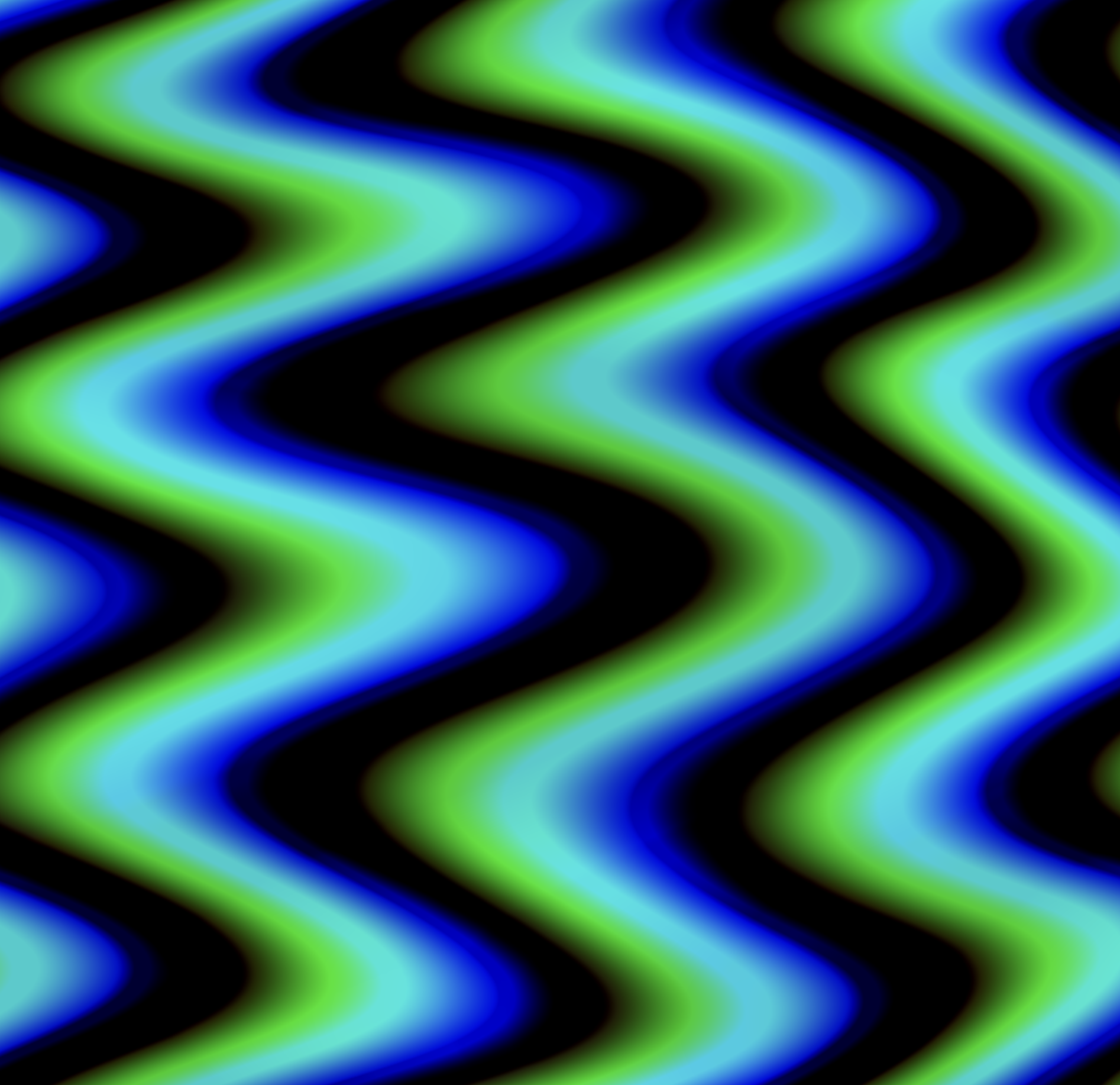
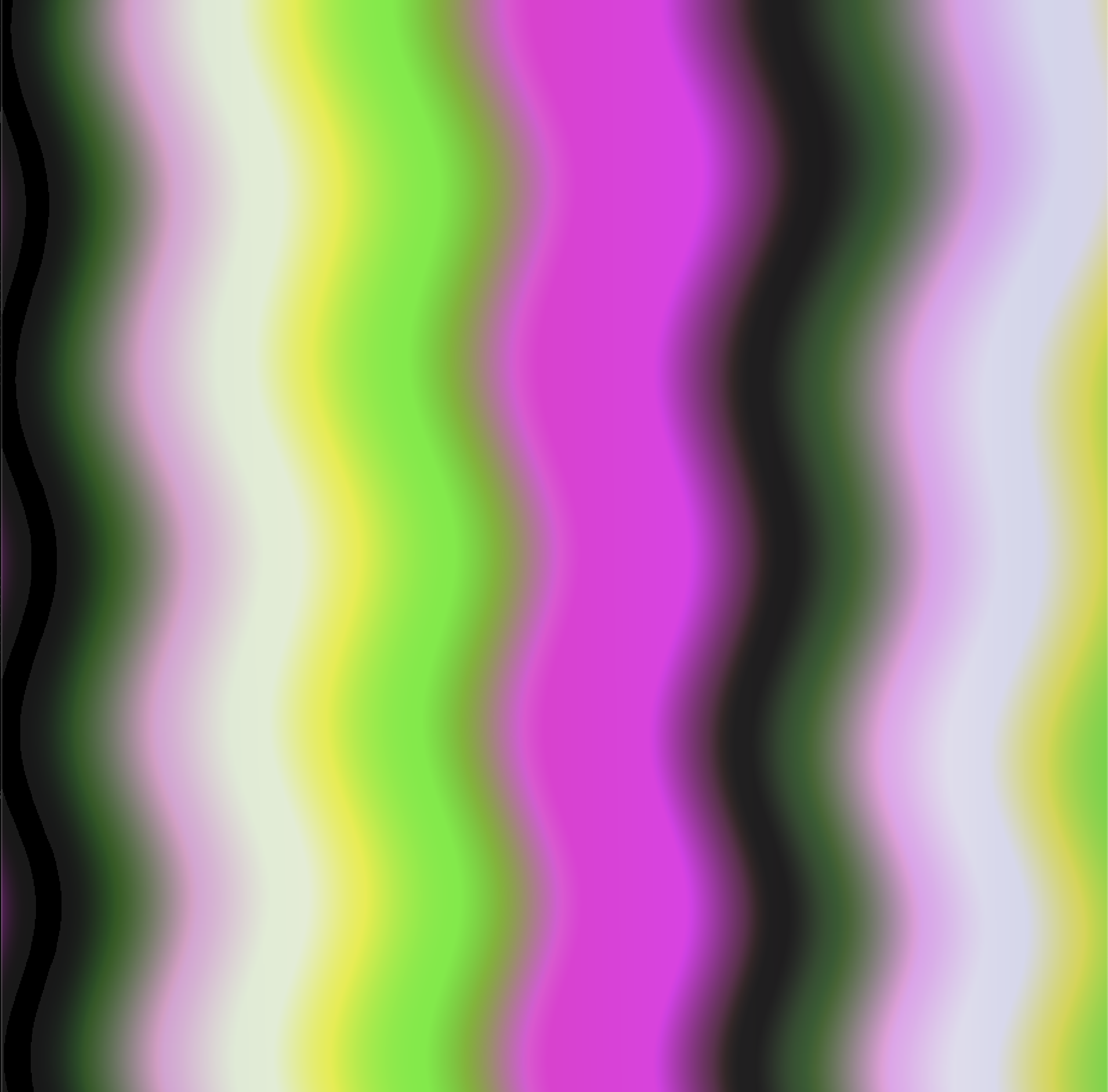
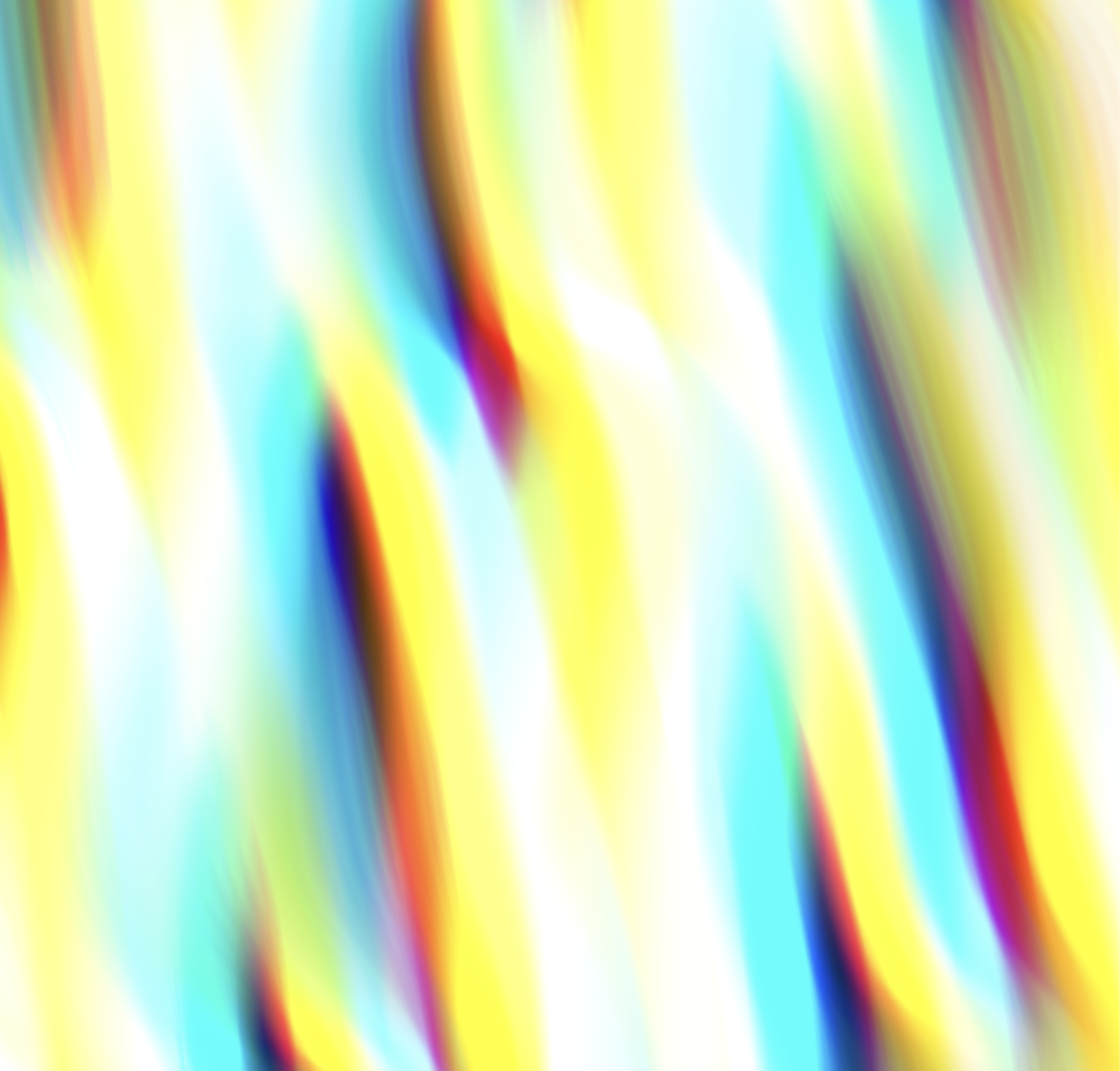
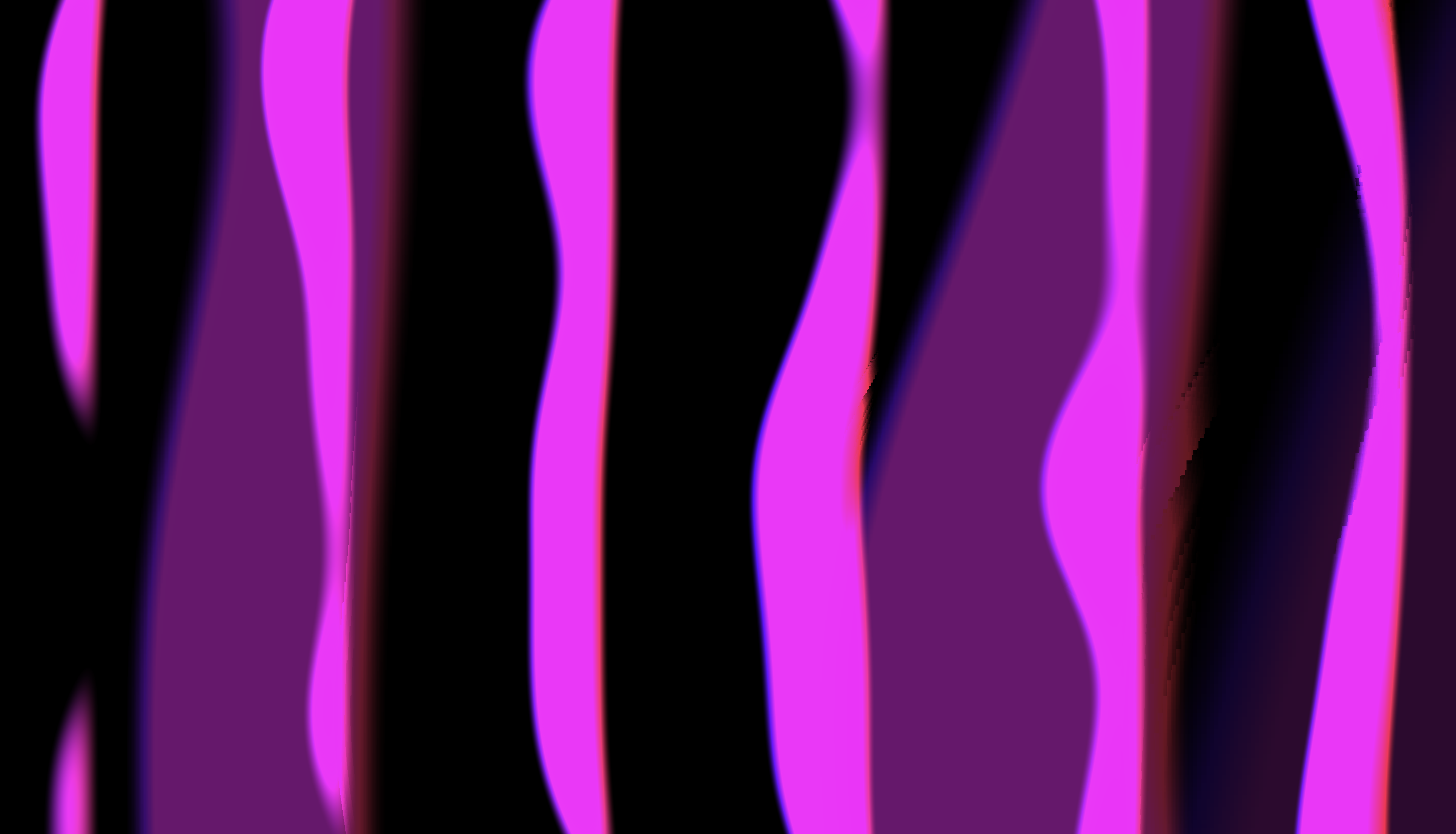
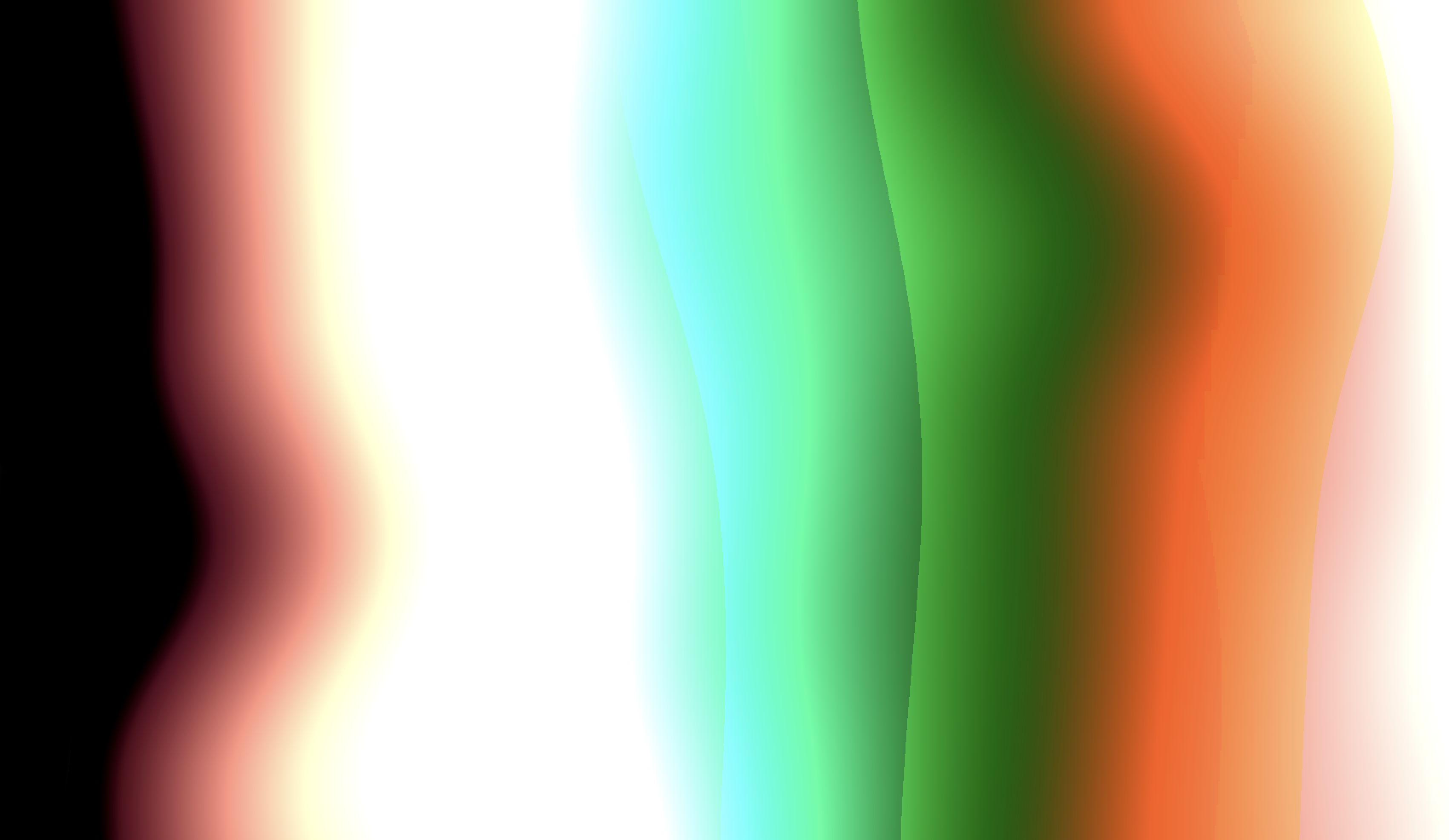
WAV documents three states of sonic matter. Series 6, 7 and 8 capture frequency in its successive forms — from the organic to the geometric, from turbulence to primary line. Each piece is a sensory archive.

The captures are works in their own right — frequency frozen in the image. Each series explores a distinct sonic register, a colour, a texture of the wave. Accessible via the WAV Store.

WAV
WAV
WAV
WAV
WAV
WAV
WAV Series 6, 7 and 8 — ronde.paris/wavView artworks →
WAV — En exposition
01The Frequency — In exhibition
WAV — Series in space

Four states of the same frequency. The wave deployed in space — each artwork, a distinct response to the same sonic matter.

WAV 6 · WAV 7 · WAV 8 — Installation
Le Rapport — WAV
03The Rapport — In exhibition
LE RAPPORT

The wave meets the Other. The artwork responds to what surrounds it — the environment becomes co-author.

rapport contact with the Other = invitation — ronde.paris/wav/store
02The Rapport — The Other

The Other

The Other is everything that enters into contact with the work — the voice, the noise of the street, the breath of whoever approaches.

The artwork is a liquefaction of the wall, reacting to shared sounds — a wall that refers back to collective building, just as sounds shape us in all our interiors.

The Invitation

The WAV artwork does not exist outside of the rapport. Placed in a space, it waits — then it responds. Each sonic variation transforms it. The work is not recounted: it is lived in the instant of its encounter with the environment.

This rapport is irreducible. It cannot be frozen — only lived. This is why WAV is not a fixed object: it is an invitation to permanent contact.

The artwork interposes itself. It slips between sound and space — silent, like a body that would absorb everything passing through it to return only one language: colour, movement, light. Nothing passes through intact. Every sound becomes light.

WAV ArtworkWall-mounted audio-reactive work. Responds to the sound of your environment in real time. Permanent access via account.
PrintThe WAV Store features a capture device built into the artwork: at any moment, the user takes a still image of the work in its present state. Each capture is unique — the imprint of an instant of contact with the Other, printed in a limited edition.
Sound archiveThe visual capture is also an audio capture. The moment the image is frozen, the sound that passed through it is recorded with it — the wave that produced the form remains tied to the form. Each archive is accessible from the user account.
Édition & Prix indicatifs
Tableau WAV connecté8 exemplaires + 2 EA — œuvre unique, numérotée et signée. Prix sur demande.
Print WAV StoreÉdition ouverte — 80×80 cm / 50×50 cm / 30×30 cm. Chaque capture datée et unique. Prix par format.
WAV Store →
WAV Store
WAV Store
WAV Store
WAV Store
WAV Store
WAV Store
WAV — En galerie
03The Rapport — The work in space

The artwork exists in the space it occupies. It waits — then responds.

WAV — Audio-reactive artwork · ronde.paris/wav
La Synesthésie — WAV
02The Chromatic Chain — Synesthetic Positioning
LA
SYNESTHÉSIE

The artwork does not translate sound into image. It translates its meaning — according to a grammar that precedes language.

Frequency · Mood · Chromatic Chain
02The Chromatic Chain — Synesthetic Positioning

The Chromatic
Chain

Synesthetic positioning

WAV rests on a correspondence between sonic frequencies, emotional states and visual tints — a chromatic grammar, not random illustration.

The shader that animates WAV artworks does not convert sound to light neutrally. It operates according to a synesthetic topology — a structured correspondence between the sonic and chromatic spectra, in which each frequency band generates a specific tint carrying its own emotional register. Low frequencies produce deep reds, ochres, warm earths. Mid frequencies — the register of voice, of contact — ambers and yellow-greens. High frequencies trace light blues, cyans, luminous whites.

This correspondence is not individual synesthesia. It is part of a shared intuition formalised by Scriabine in Prometheus, sketched by Newton in his correspondence between notes and prism colours, theorised by Kandinsky in the sound/colour/form relationship. WAV proposes an algorithmic and participatory implementation — open, updated in real time by each artwork's environment.

The spectral analysis of the signal extracts not pitch but the character of the sound: overall energy, spectral centroid, flux. These parameters feed a state model — heavy, organic, neutral, vivid, airy. Each of these states corresponds to a position on the chromatic chain. The work thus responds to the meaning of the sound, not its volume.

In the network device, it is this calculation — the mood, the position on the chain — that propagates between nodes. Synchronised artworks share not an audio signal but a common chromatic state: the same emotional tint, regardless of each one's local sonic environment.

CC BY-NC-ND 4.0 · Jordan Olivier / RONDE — Paris, 2026
Chain: frequency → mood → colourGRAVE20 – 300 HzLourd · Chaud · AncréBAS-MÉDIUM300 – 800 HzOrganique · Corps · VoixMÉDIUM800 – 3 000 HzNeutre · Équilibré · ContactHAUT-MÉDIUM3 000 – 8 000 HzVif · Présent · LumineuxHAUTE8 000 – 20 000 HzAérien · Éthéré · OuvertHzkHz
Filiations
Newton — Opticks (1704)
Première correspondance entre les 7 notes de la gamme et les 7 couleurs du prisme. Première topologie chromatique sonore.
Scriabine — Prométhée (1910)
Usage d'un clavier à lumières accordé aux tonalités. Correspondance ton/couleur comme acte compositionnel.
Kandinsky — Du spirituel (1912)
Rapport son / couleur / forme comme grammaire universelle du sensible. L'œuvre synesthète comme langage.
L'Heure — WAV
03The Frequency — The Hour
L'HEURE

Beyond the sound it hears, the artwork reads the hour. Colour drifts with the day — imperceptibly, like a bell that does not ring.

Night · Dawn · Morning · Noon · Evening · Dusk
03The Frequency — Temporal Synchronisation

The Hour

The artwork does not only respond to what it hears. It responds to what the hour is.

There is in the WAV artworks a layer that does not wait for sound. While sonic reactivity translates the instant — the noise of the street, a voice, a passing — another dimension operates in silence: the overall tint of the work is indexed to the hour of the day.

The palette migrates from the blue of night to the rose-gold of dawn, from the solar yellow of morning to the amber of afternoon, from the deep oranges of sunset to the mauve of dusk. Not conspicuously — the change is imperceptible from one instant to the next, only visible in duration. The work does not show the hour: it is the hour.

As bells once marked time for all — without waiting to be spoken to, without distinguishing who was sleeping or who was busy — the artwork marks the hour for whoever lives with it. Not a clock. A synchronisation of the living: a thing that breathes with the world, beyond sight.

Tint updated every 5 min · 8 palettes continuously interpolated across the moments of the day
Drift of the day
0h
5h
7h
12h
14h
18h
21h
23h
La Propagation — WAV
03Propagation — WAV Store Print
LA PROPAGATION

The user does not consume the work. They momentarily become its author.

Format
03Propagation — WAV Store Print
Three states
01The FrequencyMatter before the encounter
02The RapportThe wave meets the Other
03PropagationThe imprint, carried
Format
  • 80 × 80 cm
  • 50 × 50 cm
  • 30 × 30 cm
  • Chaque capture est unique
03

The print
as artistic gesture

The capture is not a reproduction

A catalogue sells copies of existing works. The WAV Store produces new works with each capture — each image is unique, dated, tied to a precise sonic environment that no one else has traversed in the same way.

The print does not archive the artwork. It archives the instant of contact — the exact state of the wave at the moment the user decided to press. It is not a reproduction: it is the recording of a particular rapport with the Other.

Shaping the pressed instant

The user does not consume the work. They momentarily become its author.

Pressing to capture the instant is an already-installed structure — social media and entertainment have formatted us to this reflex: freeze to prove, prove to exist. WAV borrows this gesture and turns it around. The same movement, the same impulse — but what comes out is no longer proof of the instant. It is a shaping of the instant. Deciding the moment of capture is deciding the exact state of the wave one fixes — a fully compositional act.

Position in the RONDE ecosystem
Hydra ArtworksOriginal state — matter before the encounter
PrinthelenInterruption — the city traversed by the body
RONDE liveRestoration — time found again in the collective
WAV StorePropagation — the wave carried into daily life. The physical distribution vector.
WAV Store →
Axe de développement
04Development axis — 2026
RÉSEAU
SYNCHRONE

Several spaces, a single instant. The wave shared beyond walls.

Raspberry Pi · WebSocket · VPS
04Development axis — Synchronous Network

Synchronous
Network

A Raspberry Pi captures an audio signal and publishes it in real time to a VPS. Each WAV artwork receives the stream and responds visually. Several spaces, a single instant.

Today, the WAV artwork listens to its immediate environment — the voice, the street, the nearby space. This device would open a new dimension: remote synchronisation. A transmitting Raspberry Pi placed at one point — a stage, a studio, a dedicated space — captures an audio signal and publishes it continuously to a VPS via WebSocket.

Each WAV artwork is equipped with a receiving Pi subscribed to the stream. Several artworks in different spaces — apartments, galleries, living spaces — oscillate at the same rhythm at the same instant, regardless of their distance.

As bells once synchronised the collective across buildings and streets, this device would carry the emotion of the hour to the artworks — a sound shared without seeing each other, a common wave beyond walls.

Components
Pi ÉmetteurCaptures the audio signal — publishes continuously to the VPS via WebSocket
VPS · WebSocketPub/sub relay server — distributes to all subscribed receiving Pis
Pi RécepteurEmbedded in the artwork — subscribes to the VPS stream and drives the WAV display
Device in development axis — WAV 2026
Schematic diagramπPI ÉMETTEURws://VPSpub / subws://ws://ws://πWAV — AπWAV — BπWAV — C
05Development axis — Source selection

Choose
the World

Via the trackpad keyboard supplied with the artwork, the user navigates among a selection of microphones located around the world and chooses the stream that will feed their work.

Each WAV artwork equipped with the synchronous network displays a source selection interface. The user finds there a list of active listening points — microphones placed in singular locations around the world, each carrying its own sonic colour.

Navigation is done via the trackpad keyboard provided with the artwork: a discreet accessory designed specifically for this use. A few gestures or directional key presses are enough to scroll through sources and confirm the choice.

A mixing slider allows freely adjusting the proportion between the sound captured in the immediate space and that of the distant stream. From local exclusivity to full immersion in an elsewhere, each intermediate position creates a hybrid sonic space, unique to the instant.

New York at rush hour, Reykjavik in the rain, Tokyo at dusk, Lagos deep in the night: the artwork on the wall now carries within it the pulse of another place in the world, chosen by the one who lives with it.

Available sources
New York — HarlemIconic street of a sonic history. City murmur, continuous bass.
Reykjavik — CôteWind, waves, silence. Raw soundscape, almost without human presence.
Tokyo — ShibuyaThe world's busiest intersection. Dense, electric, perpetually moving urban flow.
Lagos — Fela ShrineMythic Afrobeat venue. Warm, rhythmic signal, rooted in the African night.
Selection interfaceSOURCENew YorkHarlem — USReykjavikCôte basaltique — ISTokyoShibuya — JPLagosFela Shrine — NGLOCALDISTANT35%65%○ En développement — réseau synchrone prévu 2026CLAVIER TRACKPADSELECT
Le Dispositif Technique — WAV
05Development axis — The Device
LE DISPOSITIF
TECHNIQUE

Before the network, there is an object. One unit, one wall, one wave.

Raspberry Pi 5 · GLSL · Web Audio API · NTP
05The Device — WAV Unit

The Technical
Device

A Raspberry Pi 5, a USB microphone, an HDMI screen. The WAV artwork is a self-contained object — it runs on a wall socket and responds to the world.

The artwork's architecture rests on three simultaneous streams: sound captured in real time by the microphone, system time synchronised via NTP, and WebGL shader parameters. These three streams converge continuously into the same render — with no perceptible latency, no external intervention.

Chromium in kiosk mode holds the browser permanently open on the generative visual. The WAV Capture module, triggered by the user, freezes the exact state of the work at the chosen instant and sends the image to the WAV Store for printing.

Components
Microphone USBUSB microphone — real-time audio stream to Web Audio API
Raspberry Pi 5Raspberry Pi 5 — core of the device: audio analysis, WebGL rendering, NTP sync, capture management
Shader · ChromiumGLSL shader in Chromium kiosk — audio-reactive, indexed to the hour · prototyped with Hydra
Écran HDMIHDMI screen — visual output of the render · 16:9 or 1:1 by format
Schematic — WAV unitMICROHEURE SYSπRASPBERRY PI 5WEB AUDIOAPISHADERGLSLNTPsyncCHROMIUMkioskWAV CAPTUREmoduleHDMIWAVDISPLAYWAV STOREprint · archive
L'Originalité de l'Assemblage — WAV
06The Frequency — Originality
L'ORIGINALITÉ
DE L'ASSEMBLAGE

WAV is not a technology. It is a decision — to assemble existing tools around a precise artistic intention.

GLSL · Web Audio API · NTP · Raspberry Pi 5 · WAV Capture
06The Frequency — Originality of the Assembly

Originality
of the Assembly

Each component exists outside WAV. The originality lies in their articulation — the way they combine to produce something that none of them could achieve alone.

WAV shaders are developed from Hydra patches — a visual live-coding tool designed for stage performance. Transposed into pure GLSL, they run continuously in the intimacy of an interior, without performing, without an audience. This shift from prototyping to permanent installation is already an artistic decision.

Sonic reactivity is not a side effect. It is the artwork's primary interface with the world. The Web Audio API analyses the spectrum in real time and translates frequencies directly into shader parameters — colour, displacement, turbulence. Every sound becomes form.

Temporal synchronisation adds a silent dimension. The artwork's overall tint drifts with the hour — imperceptibly, like a bell that does not ring. This is not a feature: it is a posture. The work lives with the world, beyond the sounds it hears.

GLSL · Web Audio API · NTP · Raspberry Pi 5 · Chromium kiosk · WAV Capture
Four pillars
WebGL / GLSLGraphic engineGenerative GLSL shader — prototyped with Hydra, rendered in native WebGL
Web Audio APISonic reactivityReal-time FFT — each frequency becomes a shader parameter
NTP · System timeTemporal synchronisation8 palettes — imperceptible drift over 24h, no action required
WAV CaptureCapture deviceEach image is unique — tied to an unrepeated sonic instant
WAV
WAV
ronde.paris/wavJordan Olivier — 2026
CC BY-NC-ND 4.0·© 2026 Jordan Olivier — Textes, images et concepts protégés. Reproduction interdite sans autorisation.