HELEN
Jordan Olivier
Controlled
Interruption
Printhelen is born of a simple question: what happens when you return to the viewer control over what they perceive? The phone gyroscope becomes the interface — not a remote control, but a seizure of control. The eye ceases to be a spectator. It becomes the author of disturbance.
The city is never neutral. It cuts time, imposes rhythms, ruptures. Interruption as form, drift as method.
4 pieces. Urban photography, real-time digital drift — the sound of the city pulses to the rhythm of the tilt.
4 pieces in the war of night. Space segments, constrains. Control is reclaimed at the level of the joint.
The glitch does not come from a technical malfunction — it comes from what the city produces and imposes.
INTERFERENCE
Four pieces where the image loses its footing — guided at the level of the joint of whoever watches.
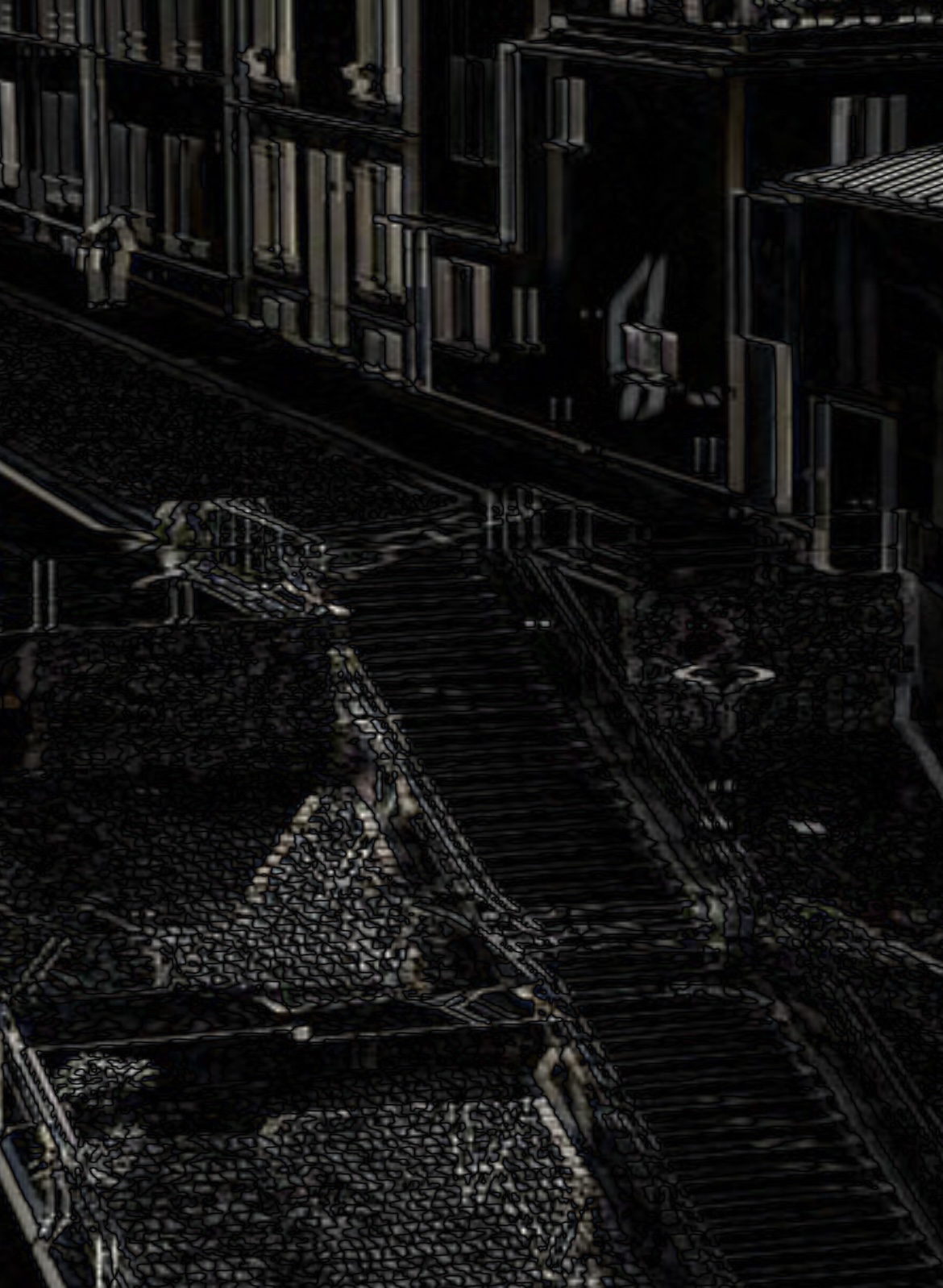
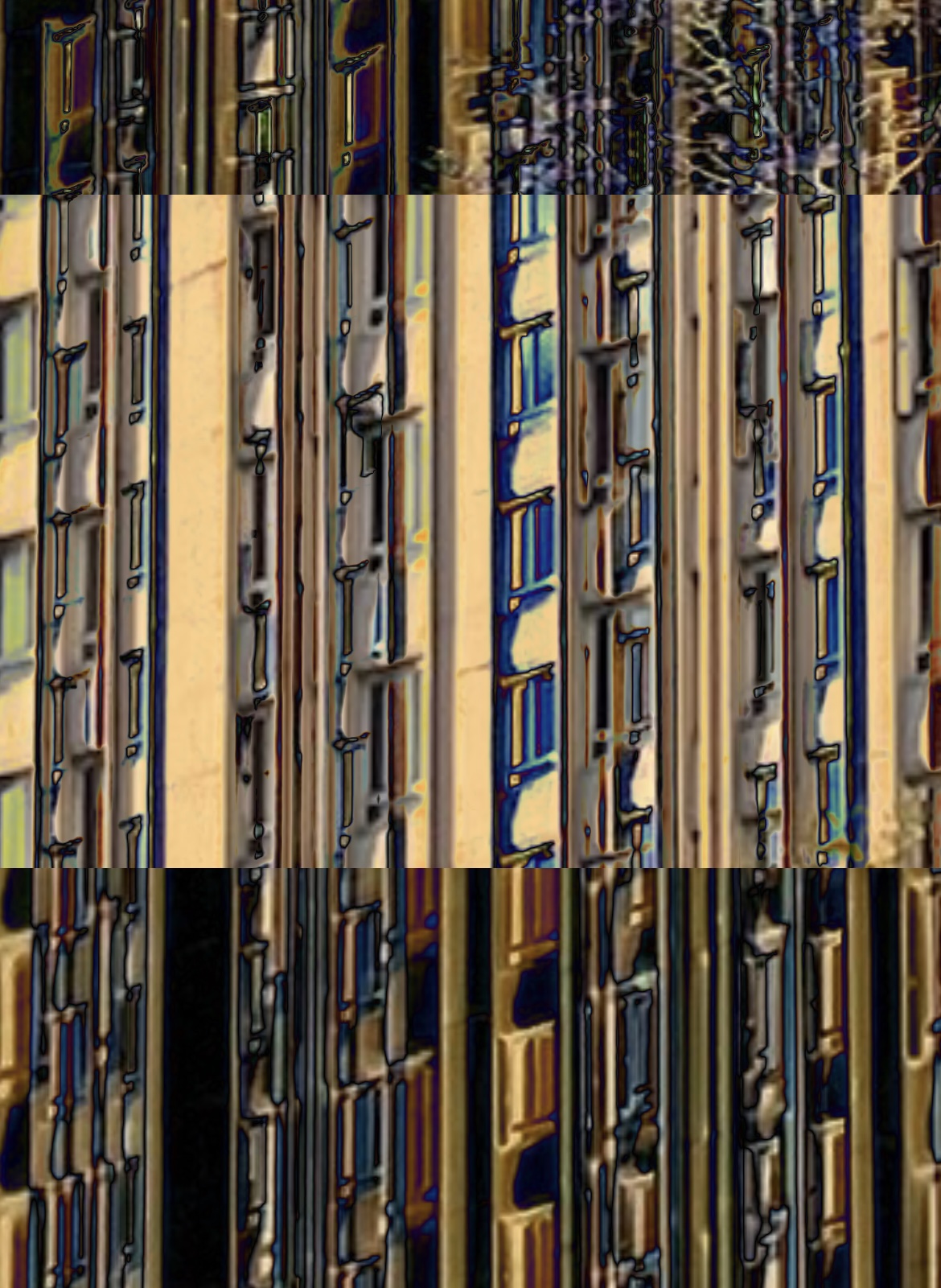
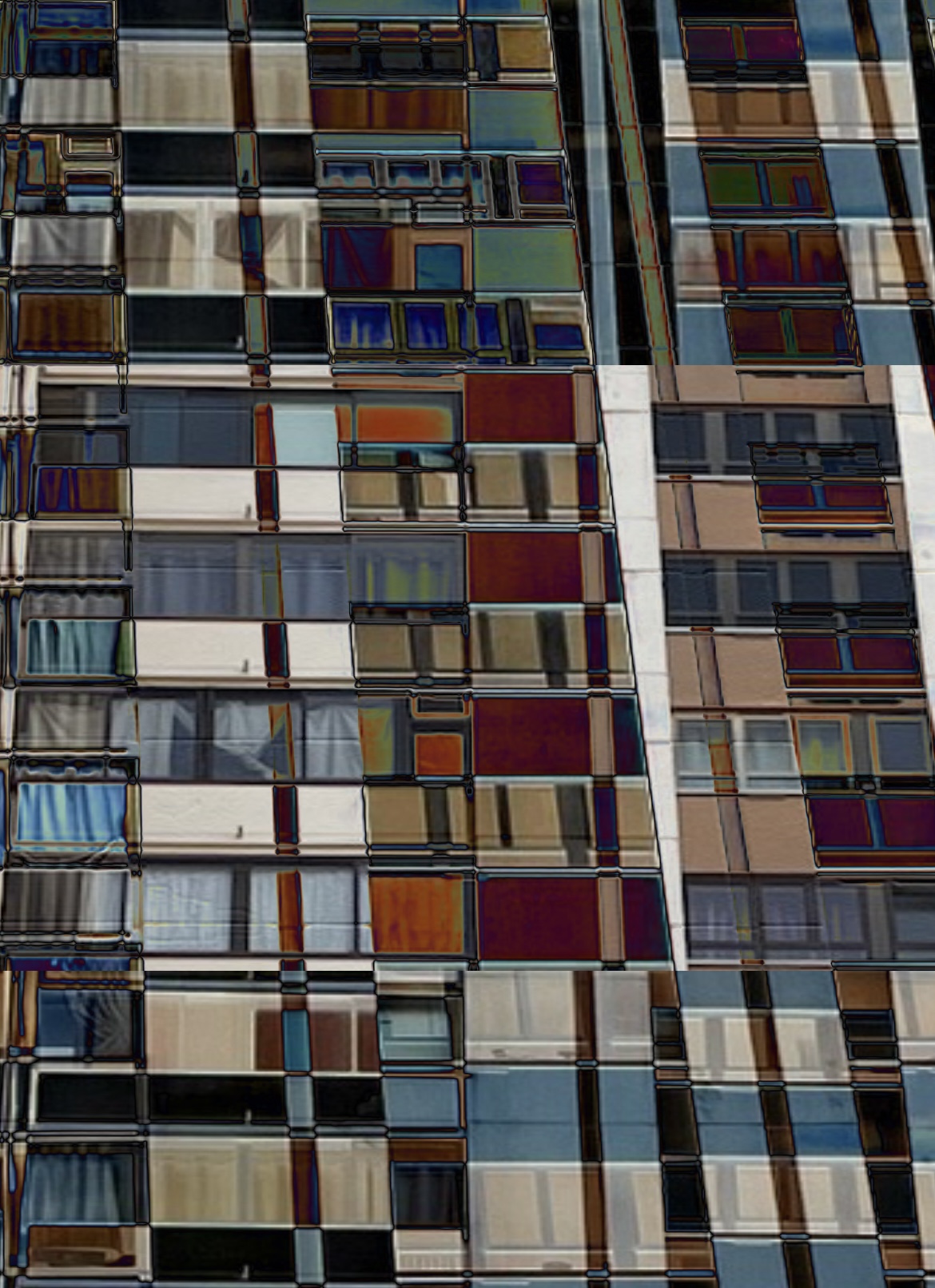
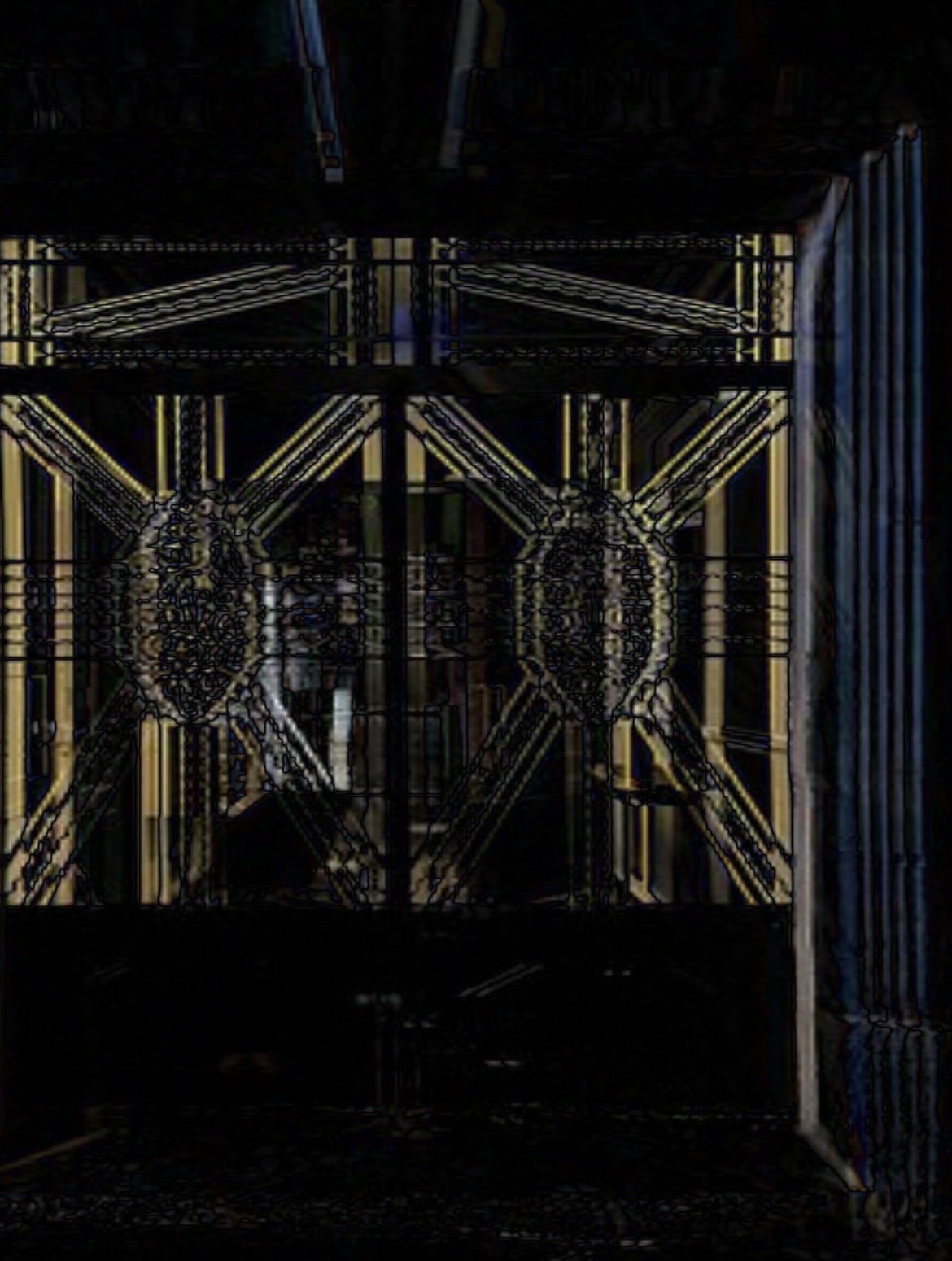
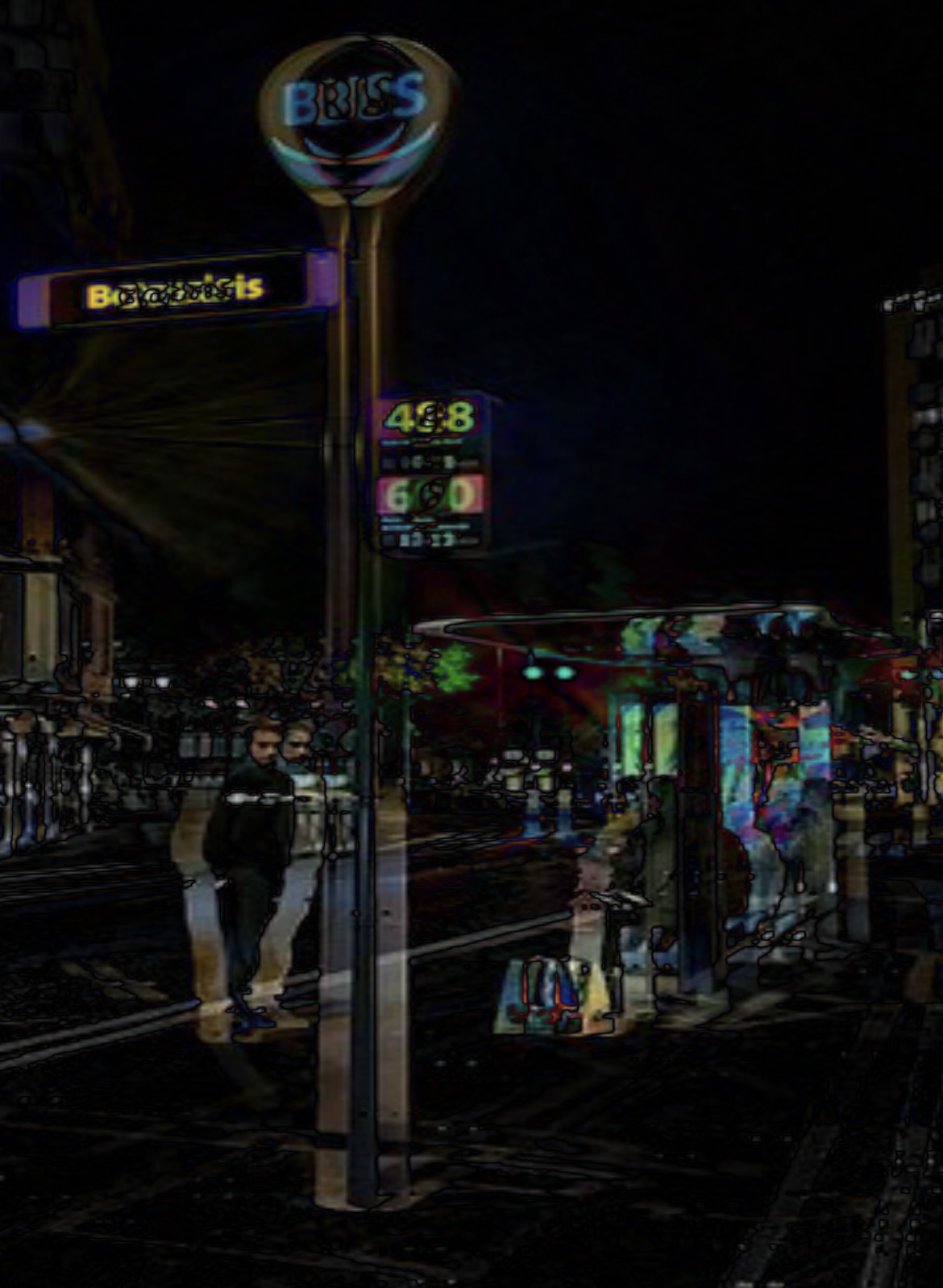
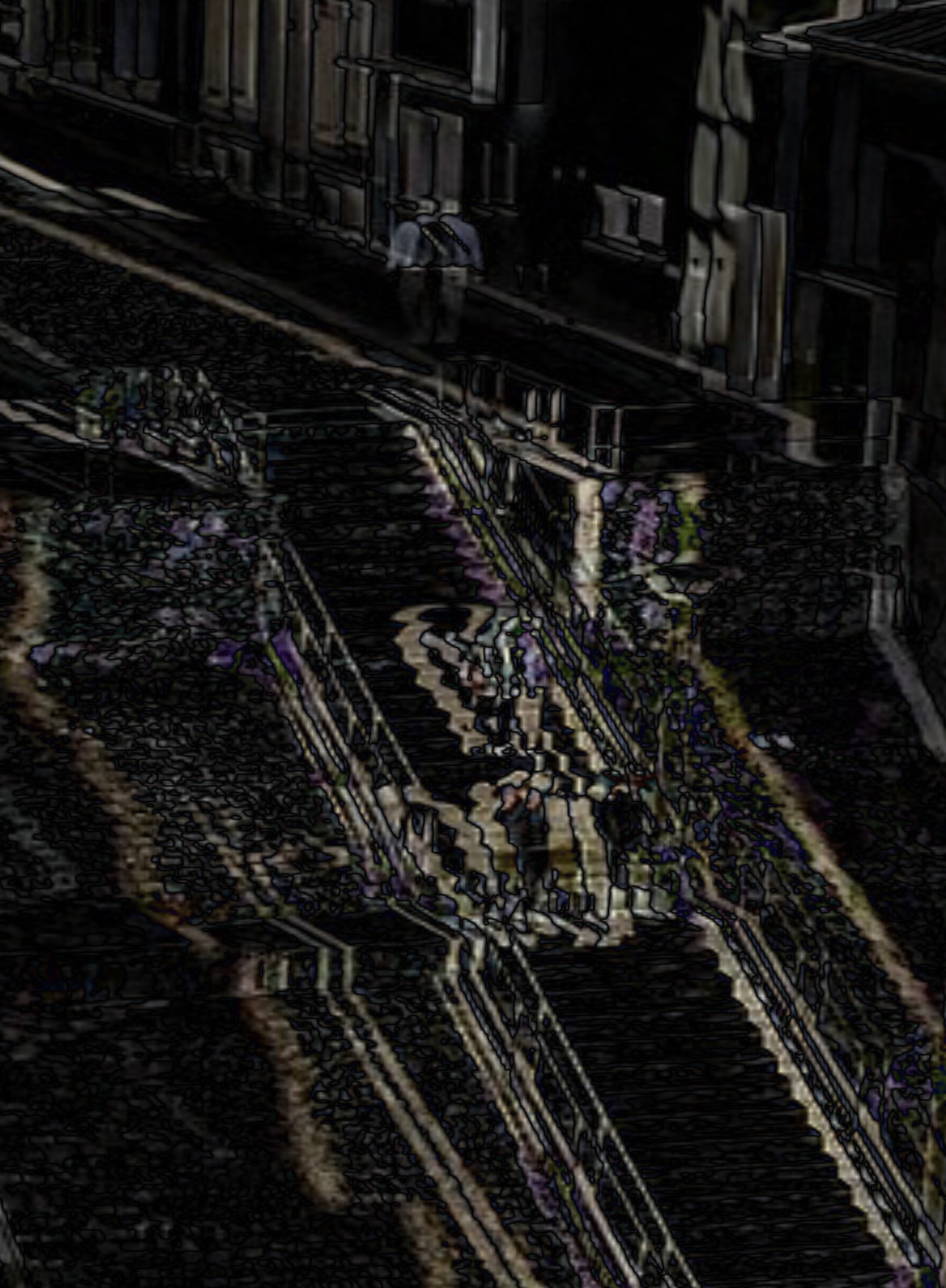
The photographs of Interference are taken in spaces of passage — corridors, crossroads, repeated facades. Places one traverses without really seeing. By subjecting them to tilt at the joint level, Printhelen forces a halt: the inclination of the plane makes the image waver, revealing what architecture conceals in its geometry.
The urban city recordings do not serve as ambiance — they obey the same gesture. The more one tilts, the more the raw sound of the city rises or fades. The visitor themselves regulates the dose of reality they accept to receive.
Access the work →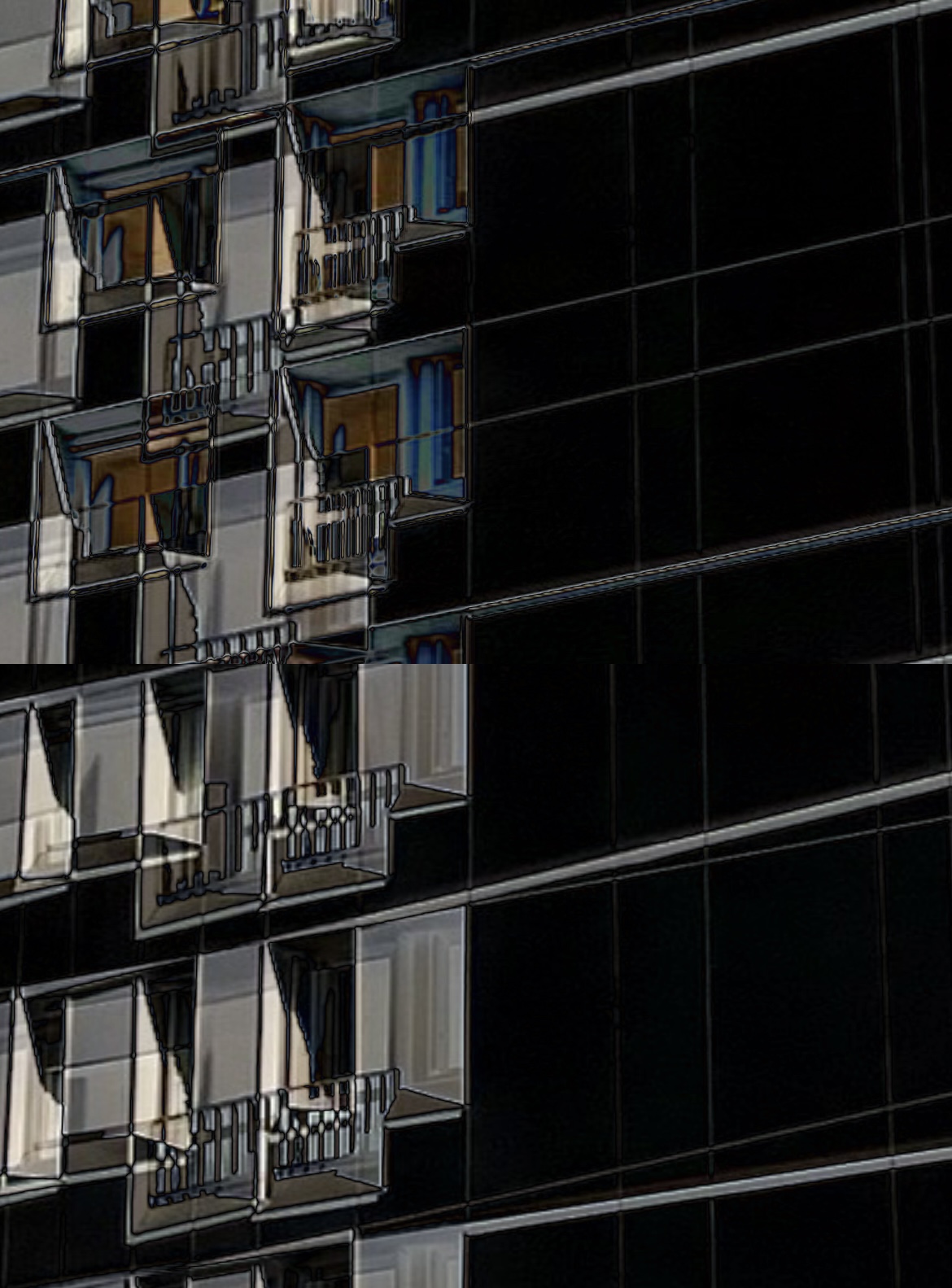
COHERENCE
Four pieces in the war of night — where what troubled its space is reclaimed.
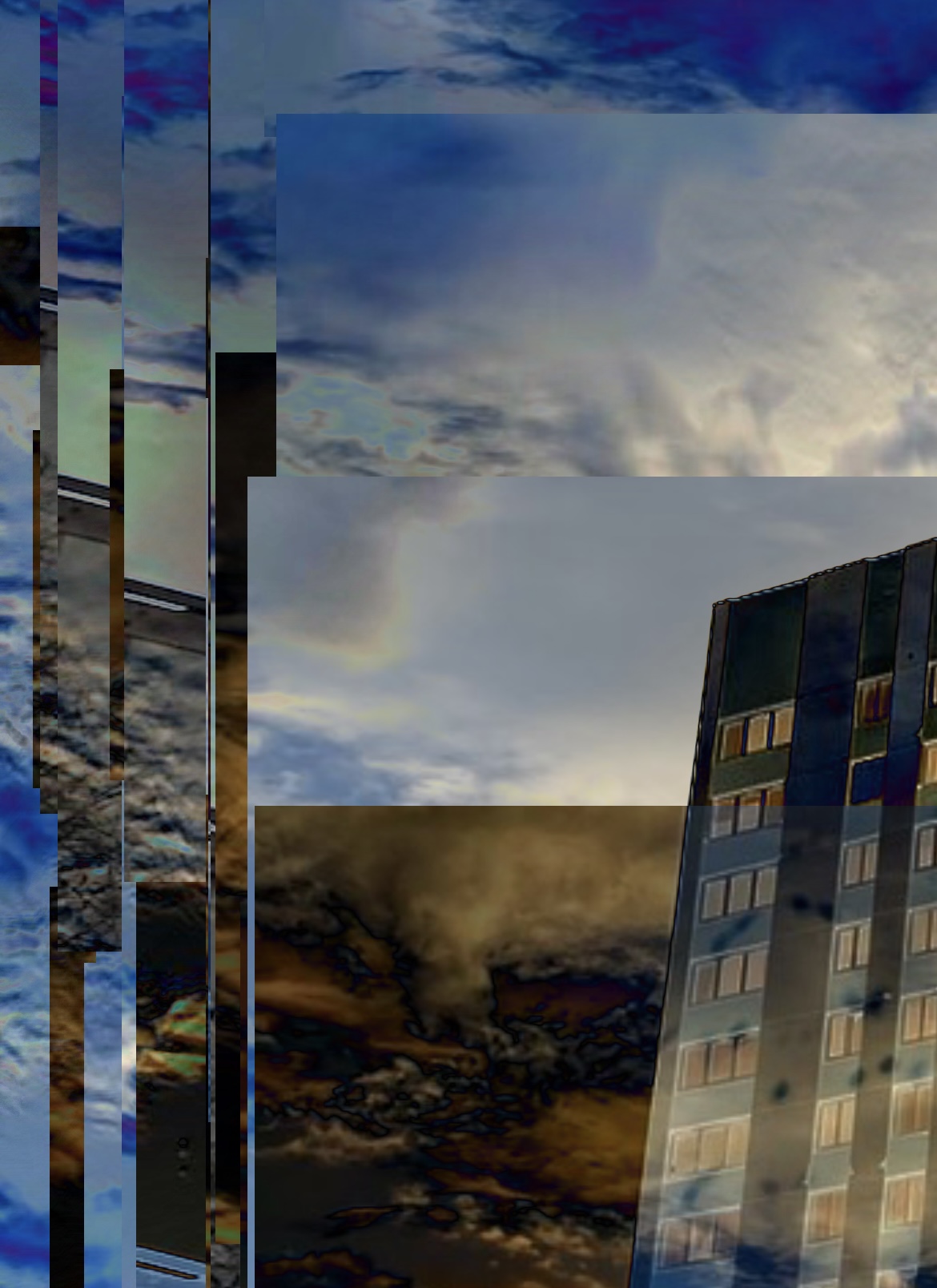
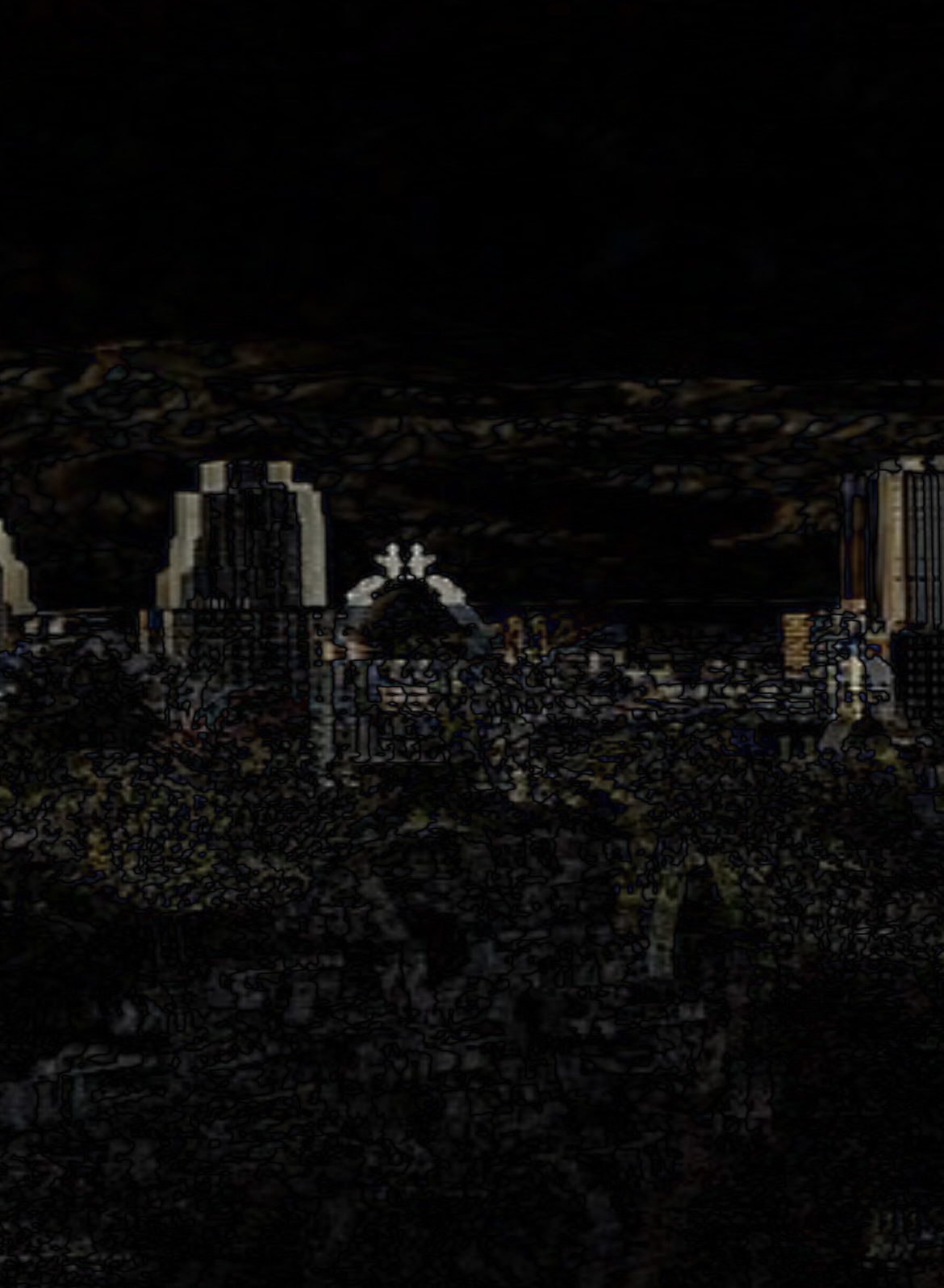
It is not the night of rest — it is the war of night. The one that darkness wages against daylight — which covers everything and holds nothing. Night does not fall: it assails. It dissolves the bearings that ordinary clarity maintained in place — and in this collapse, the thread is found again.
What the visitor finds again at the level of the joint is control over this measure. In this gesture, a freedom re-establishes itself — no longer suffering the measure of reality, but becoming its author. The interface is not a position: it is a taking of arms.
Access the work →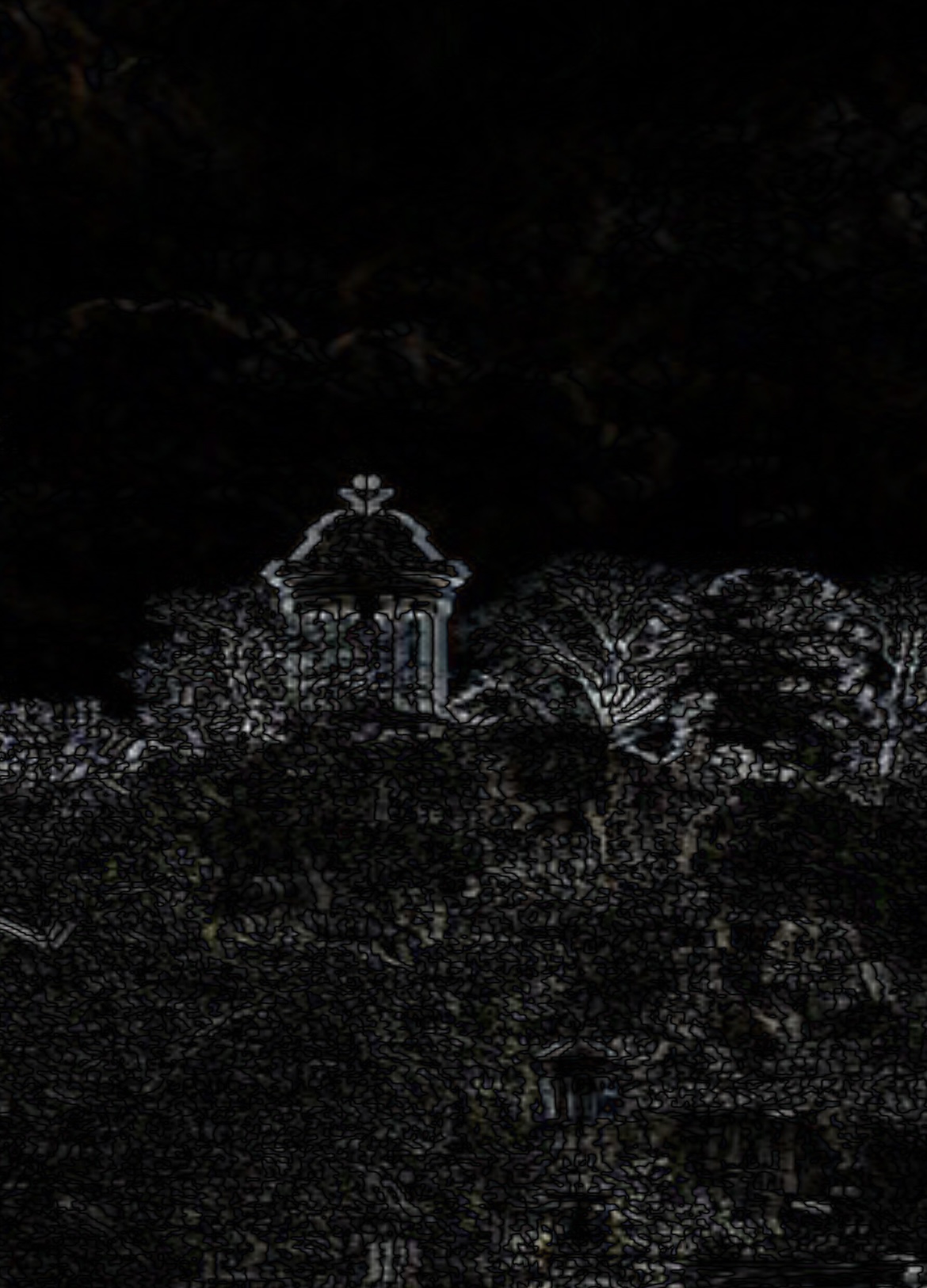
Science
Friction
The city is not a backdrop — it is a force of obstruction. On the way, it interposes itself. The glitch does not correct: it responds.
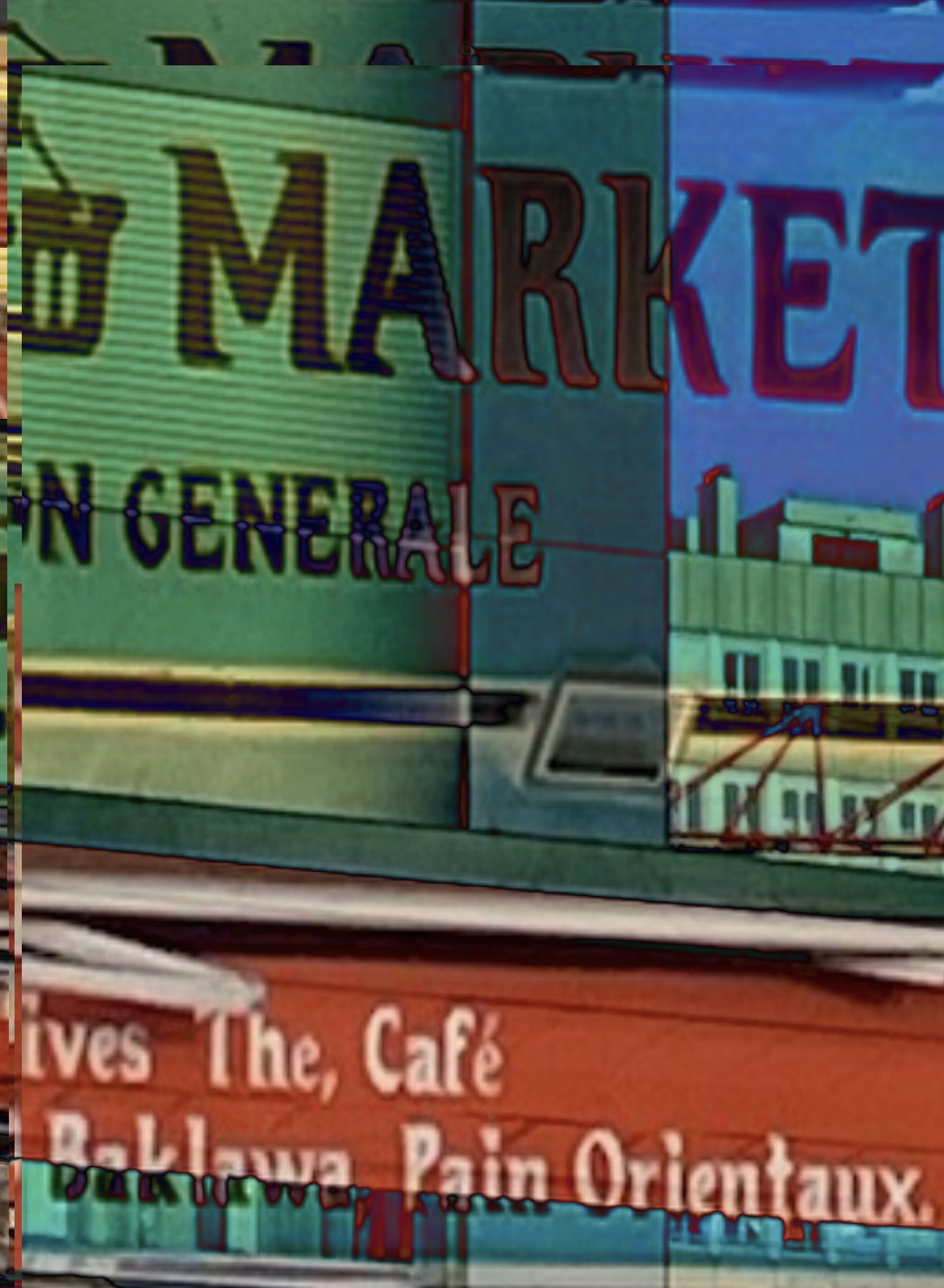
The noise cuts the sentence. The repeated facade disorients. The crossroads interrupts the gesture. What we call urban drift is not a metaphor: it is the direct experience of a city that makes itself a body against passage.
Printhelen starts from this reversal: the error is urban. The glitch in the image does not come from a technical malfunction — it comes from what the city produces and imposes. Obstruction is not an obstacle to be worked around: it is the material itself.
There is nothing to correct. When the work glitches, it is not the algorithm that fails — it is the city that manifests itself.
What Makes
It Possible
Each work rests on three layers — not tools, but conditions of existence for the piece. They are not seen. They act.